H.O.T. – The Very First Idol
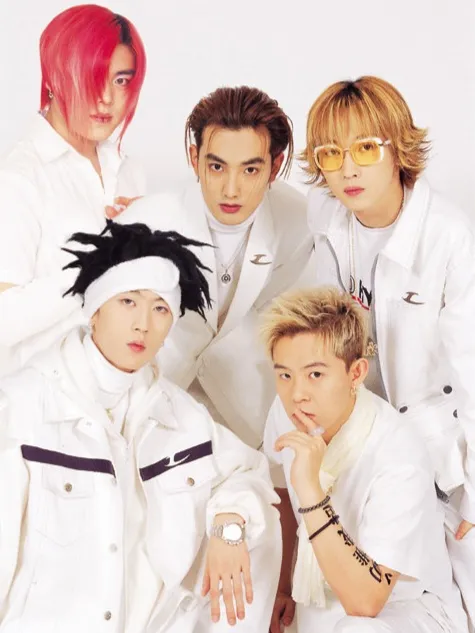
H.O.T. is the group that, in the history of Korean popular music, fully realized the concept of an “idol” for the first time. The name stands for High-five Of Teenagers, symbolizing the victory of teenagers. Just as the name suggests, these five boys shook the entire nation of Korea in the late 1990s. With an average age of 17.2, they debuted and immediately gave birth to fan culture, synchronized choreography, official colors (white), individual member numbers and colors—everything that forms the roots of today’s K-pop idol system. This is why they are called “the very first idol” long before the term “national idol” even existed.

Debut and Career
In the summer of 1996, SM Entertainment’s created the “ideal idol group” based on surveys conducted with high school students. Their debut album “We Hate All Kinds of Violence” had the powerful title track “Warrior’s Descendant (전사의 후예),” which criticized school violence, while the follow-up song “Candy” captured the hearts of teenage girls with its sweet bubblegum pop sound. The album sold 1.5 million copies—an unprecedented success for a rookie group. The “H.O.T. syndrome” began right from their debut.
Every album that followed was explosive. Hits like “Full of Happiness”, “We Are The Future”, “Light”, “I Yah!”—record-breaking sales, sold-out concerts at home and abroad…
For teenagers of that era, H.O.T. literally was the culture itself.
Yet at the very peak, it all suddenly ended. On May 13, 2001, they announced their disbandment at a press conference. The reason was a failure to renew their contract with SM. Fans wept, some even made extreme choices. It was the first massive breakup of the idol era.
The members said, “Let legends remain legends,” and chose to walk separate paths.

The Birth of Fan Culture—and Its Dark Side
H.O.T.’s fandom was organized and passionate, but that passion sometimes veered into dangerous territory. Their intense love for the members was astonishing, yet it also became the origin of sasaeng (obsessive stalker) fan culture. Extreme fans treated the members’ daily lives like commodities; some stalked them at a level that crossed into criminal behavior. Camping out in front of dorms, secretly taking photos, digging through trash, even breaking into homes—these things happened on a large scale for the first time.
When dating rumors surfaced involving a member, the female idol in question received horrific threatening letters and packages. Despite denials from both sides, the harassment continued to the point that the victim could barely continue her career.
These side effects showed that fandom was no longer just support—it had evolved into a cultural phenomenon of an entirely new dimension, one that would cast a long shadow over all future K-pop fandoms.

The Legendary Rivalry: Sechskies
H.O.T.’s success naturally created a rival. In 1997, DSP Media debuted “Sechskies”, and the real first-generation idol war began. The two groups were polar opposites in music, concept, and even fandom colors (white vs. yellow). At broadcasts and award shows, fan wars and physical fights were frequent. In 1998, after one award ceremony, H.O.T. and Sechskies fans got into a massive brawl in Yeouido that sent a middle school student to the hospital.
The agencies were criticized for cunningly exploiting this rivalry—stoking album sales competition and using the fans’ passion as marketing fuel. It felt just like a heated sports rivalry. The extreme conflict eventually faded naturally after both groups disbanded.
Interestingly, although the members had zero personal relationship during their active years because they were so conscious of each other as rivals, some became best friends after enlisting in the military together (mandatory in Korea), and even lived together as roommates after discharge.

The Very First “Manufactured” Idol
H.O.T. was not just a group. They were the beginning of K-pop itself. They opened the path for the idol system, fandom culture, and overseas expansion, building the foundation on which today’s BTS, SEVENTEEN, and NCT stand. Even 24 years after their disbandment, fans still reminisce about “those days,” and entire generations get excited at the mere whisper of a reunion. On stage, they remain forever the symbol of “victorious teenagers.” We still wait for the day when that white wave will once again cover Seoul.