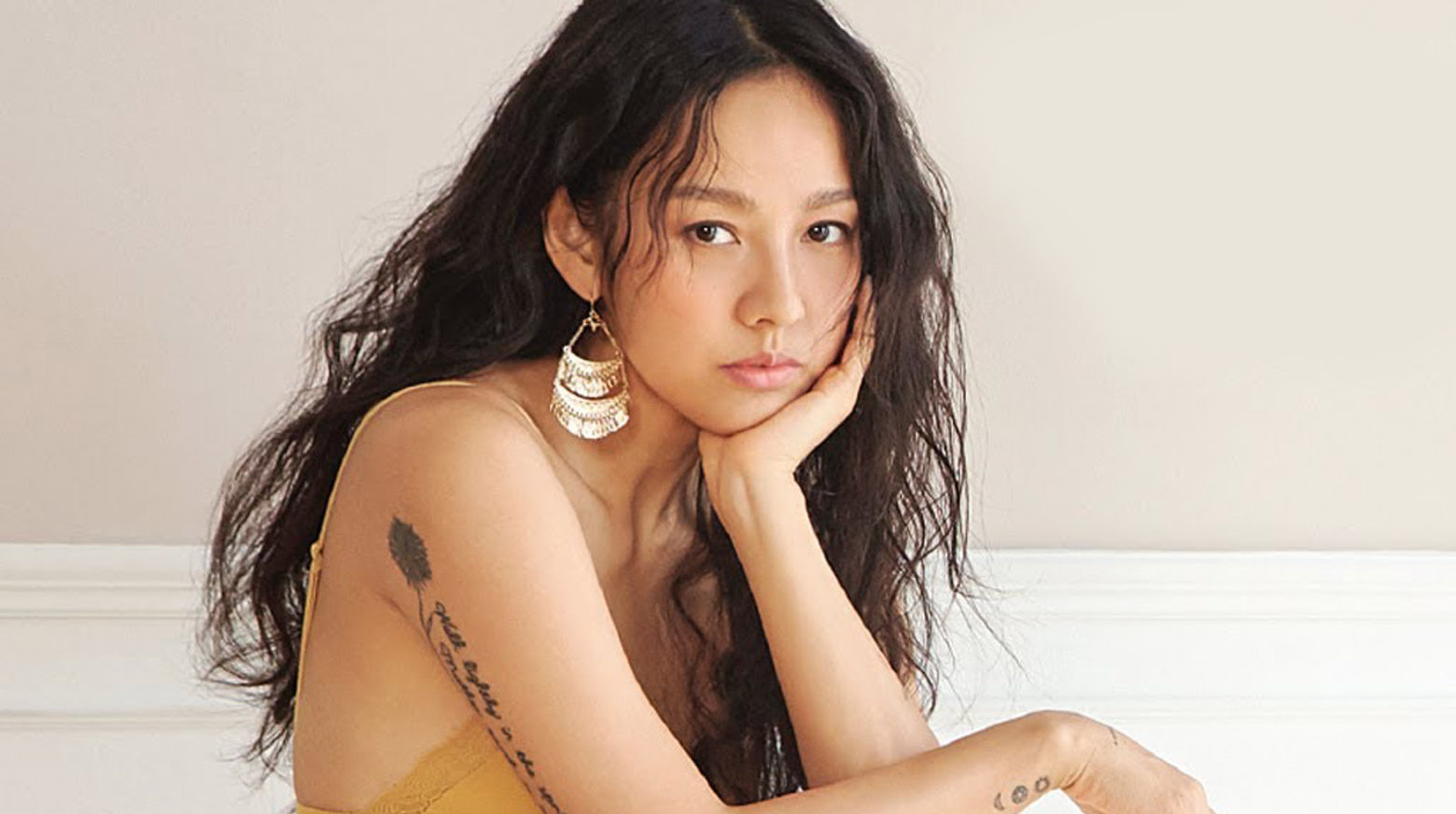
Lee Hyori – The Shining Diva
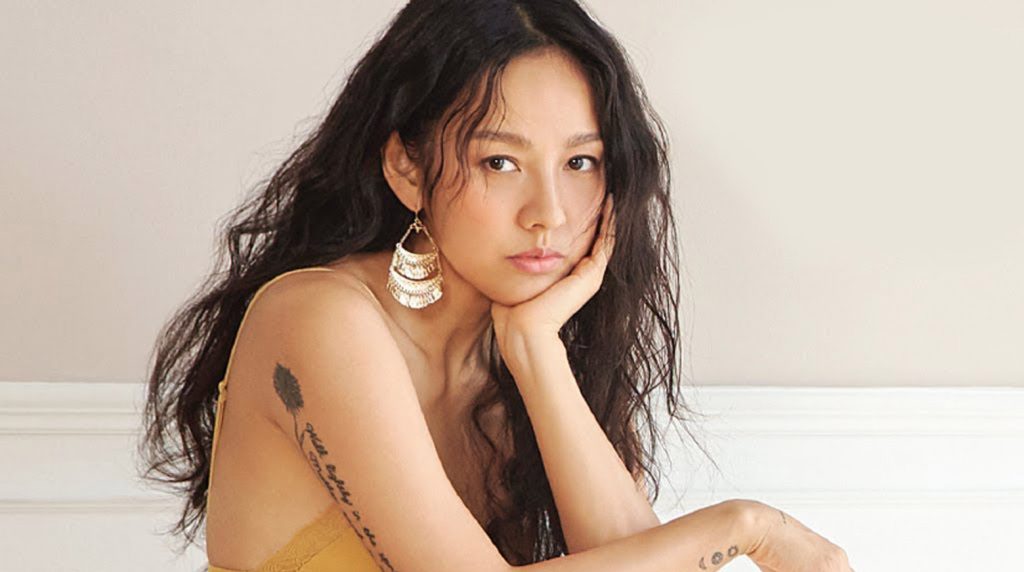
Lee Hyori is more than just a star. She is a mirror reflecting how public desire, anxiety, and values in Korean society have shifted over time. From idol and sex symbol to entertainer, musician, and a diva with a social voice, Lee Hyori has consistently redefined herself at the very center of her era.

The Beginning: From Girl Group Leader to National Icon
Lee Hyori debuted in 1998 as the leader of the four-member girl group Fin.K.L. Within a concept built on purity and innocence, she stood out immediately. Fin.K.L. became one of the defining first-generation girl groups, producing major hits such as “To My Boyfriend” and “Ruby.”
Unlike SM Entertainment’s H.O.T. and S.E.S., which emphasized mystique and polish, DSP Entertainment’s Fin.K.L. and Sechs Kies projected a more approachable and down-to-earth image. This contrast came to symbolize the competitive landscape of first-generation K-pop idols.
While the group achieved massive success, Lee Hyori was already being recognized as someone unlikely to remain confined within its framework. Her candid speech and unfiltered behavior—often contrasting with her striking appearance—left a strong impression and set her apart from her peers.

A Turning Point: Solo Debut and the Birth of an Icon
In 2003, Lee Hyori debuted as a solo artist and entered a completely new phase. Her first album’s title track, “10 Minutes,” reshaped Korean popular culture in terms of music, performance, and image.
She was no longer merely a former girl group member, but the standard of sex appeal and a pop culture icon. Wherever she appeared—advertisements, music shows, magazines, or variety programs—she became the trend, establishing herself as Korea’s definitive diva.
Yet overwhelming presence inevitably led to fatigue. Constant exposure, sensationalist coverage, endless rumors, and plagiarism controversies revealed the limits of the “icon” framework and signaled the need for change.

Marriage and Withdrawal: Choosing a Different Narrative
In 2013, Lee Hyori announced her marriage to indie musician Lee Sang-soon. The news itself was a shock: the marriage of the most famous female star in Korea at the time.
There was no lavish ceremony or media spectacle. The quiet wedding held in Jeju stood in stark contrast to the conventional narrative of a “top star’s marriage.” More than a romantic headline, it functioned as a declaration—Lee Hyori was refusing to be consumed as a supreme celebrity. This choice became a turning point that reshaped both her life and career.
Gradually stepping away from the spotlight, she replaced commercialized sex appeal with naturalness, speed with distance, and the consumed star with an individual voice. Her music likewise shifted toward folk, indie sounds, and personal storytelling.

Lee Hyori Today
Lee Hyori no longer chases trends. Ironically, whenever she moves, trends shift once again.
She is neither a revolutionary nor a system builder. But she is the figure who has most accurately reflected the emotions and desires of her time.
If the way K-pop consumes its stars has changed, the traces of that transformation are always visible on Lee Hyori’s face. Even now, she continues to show what it looks like to step down—slowly, deliberately—from the very top, as she said before.