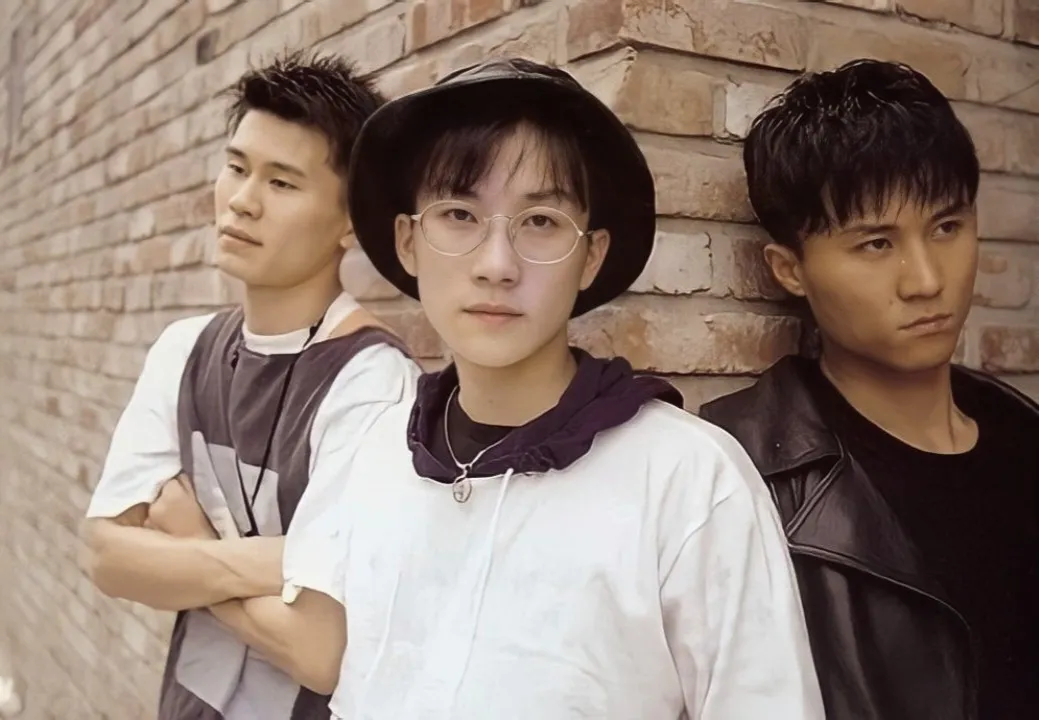
Seo Taiji – The Revolutionary of K-Pop
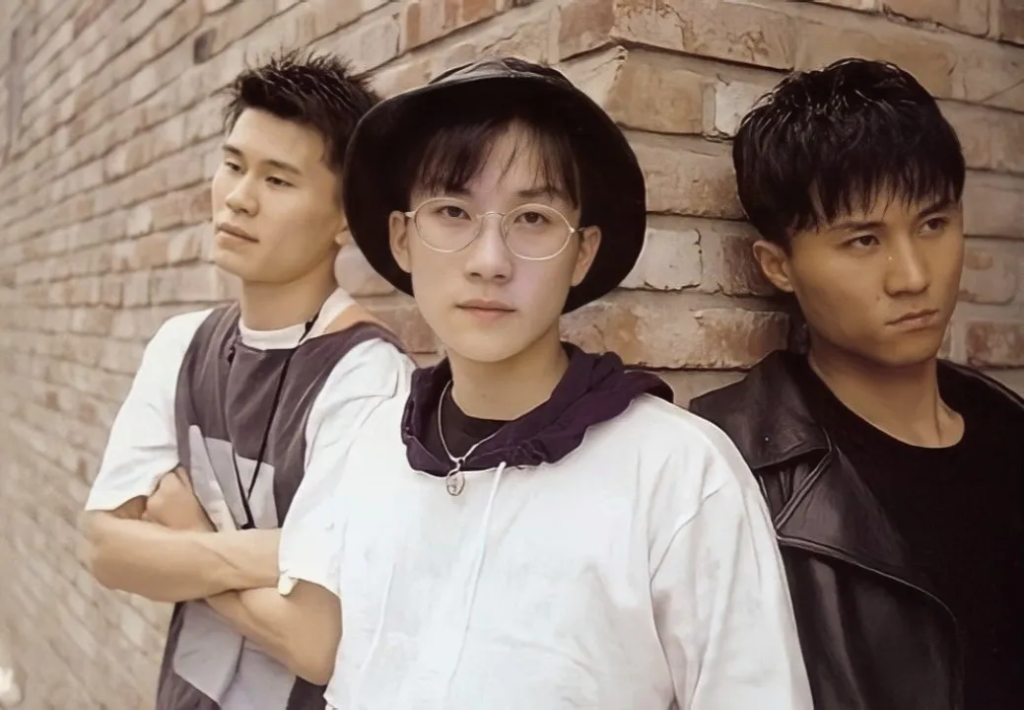
Seo Taiji remains a living legend in Korean pop music. From his explosive debut and sudden retirement to his comeback and the controversy surrounding his secret marriage, his life has been nothing short of a drama. Though he has vanished from the public eye for several years—foregoing albums, performances, and even interviews to live quietly with his family—his influence has never faded.
Born in Seoul in 1972, Seo Taiji dropped out of high school to build his skills as the bassist for the heavy metal band Sinawi. However, he soon left the team due to creative differences with the leader. It was then that he chose his bold stage name, “Seo Taiji.” While rumors suggested he was inspired by Taiji, the former bassist of the Japanese visual rock band X-Japan, he clarified that he simply chose the name because it felt right and sounded impressive.

Debut and Career: Changing the Game
In 1991, he joined forces with dancers Yang Hyun-suk (who later founded YG Entertainment) and Lee Juno to form Seo Taiji and Boys. In the spring of 1992, their debut track, “I Do Know“ (Nan Arayo), was released. On their first televised performance, judges gave them low scores, questioning the nature of the song. However, the very next day, schools across the country were in an uproar.
Before this, the South Korean music market was dominated by older generations; the youth had to rely on unofficial channels to consume American, British, Chinese, or Japanese pop. The appearance of Seo Taiji and Boys was a total cultural shock.
- The Syndrome: Cassette tapes circulated endlessly as kids began mimicking their choreography.
- The Sound: A fresh blend of rap, rock, and dance captured the hearts of teenagers, instantly sweeping the music charts.
- The Symbol: Seo Taiji became more than a singer; he became the symbol of youth.
With every subsequent album, he continued his sonic experiments. The second album’s “Hayeoga” shocked the public by incorporating traditional Korean music (Gukak). The third album’s “Classroom Idea“ directly criticized the rigid education system, leading to clashes with the older generation. The fourth album’s “Sidae Yugam” (Regret over the Times) sparked a censorship controversy that ultimately became the catalyst for abolishing the pre-censorship system for music in Korea. Notably, the song “Come Back Home” which addressed the alienation of youth in an industrialized society, reportedly moved many runaway teenagers to return home.
Despite his massive success, he chose to walk away at the peak of his fame.

Sudden Retirement and Solo Debut
In January 1996, Seo Taiji announced the group’s disbandment and his retirement, citing the “burden of creating something new” and the “agony of creation.” The news dominated evening headlines and sent the nation into shock. Fans wept, some attempted extreme measures, and wild rumors—including a death hoax—swirled. Seo Taiji left for the United States via helicopter. While Yang Hyun-suk and Lee Juno returned to Korea to become producers, Seo Taiji truly disappeared.
Two years later, in 1998, he released a solo album without any prior notice(“Ultramania“). Without a single television appearance and only via email interviews, he sold over a million copies. Returning to Korea in 2000, he resumed active promotions, introducing genres like Nu-metal and alternative rock. He founded ETPFEST to nurture junior musicians and celebrated his 25th anniversary with a grand concert in 2017. However, he has not released a new album since his 9th album, Quiet Night, in 2014.
More than a movie: Secret Marriage, Divorce and Remarriage
In 2007, an actress named Lee Ji-ah (Shea Lee) appeared like a meteor. With almost no prior public history, she was cast as the lead in the blockbuster drama The Legend, sparking rumors about her mysterious background and “U.S. connection.”
The truth was revealed in 2011 during a lawsuit for alimony and division of property. It was discovered that Seo Taiji and Lee Ji-ah had secretly married in the U.S. back in 1997. They had met during a U.S. performance in 1993 and lived as a couple between Atlanta and Arizona. Their separation began in 2000 when Seo Taiji prepared for his Korean comeback. Following a divorce filed by Lee Ji-ah in 2006, the legal proceedings concluded in 2009. This revelation, coming while Lee Ji-ah was in a public relationship with actor Jung Woo-sung, shook the entire nation.
In 2013, Seo Taiji remarried actress Lee Eun-sung, who is 16 years his junior, and they welcomed a daughter the following year.

The Eternal “Culture President”
Seo Taiji is still referred to as the “Culture President” and is remembered as the revolutionary who planted the roots of K-pop. His music transcended generations, challenged social norms, and opened doors for creative freedom for future musicians.
On Christmas 2025, he shared his annual update on social media. While expressing regret that he could not yet share the “good news” (a comeback) that fans have been waiting for, he shared small stories from his life and sent his well wishes. Whether he will ever open that “new door” again remains to be seen, but his fans continue to wait quietly.